How To Choose The Right Village In The Woodlands
February 5, 2026
February 5, 2026
Trying to decide which village in The Woodlands fits you best can feel overwhelming. You’ve got commute times, school zoning, parks, and home styles to weigh, and every village brings a slightly different lifestyle. You want a clear, practical way to compare your options and move forward with confidence.
In this guide, you’ll learn how The Woodlands’ villages work, what to prioritize based on your goals, and how to research and tour homes with a smart checklist. You’ll also get verified resources to check school zones, flood risk, utilities, and taxes. Let’s dive in.
The Woodlands is a master-planned community made up of several “villages,” each with its own neighborhood clusters, parks, and a village center for everyday needs. Services and amenities are overseen by The Woodlands Township and by neighborhood HOAs. For current maps, programs, and governance details, explore the resources from The Woodlands Township.
Commonly referenced villages include:
Always confirm village boundaries and any neighborhood section details with the Township and the listing agent for a specific property.
Each village is designed for convenience, with trails, parks, pools, and shopping close by. Your shortlist should reflect how you spend time day to day.
Most villages include a village center for groceries, dining, and services. Regional hubs like Town Center, Hughes Landing, and Market Street offer broader dining, shopping, concerts, and offices. If you want frequent access to these hubs, focus on villages with short drives to those areas.
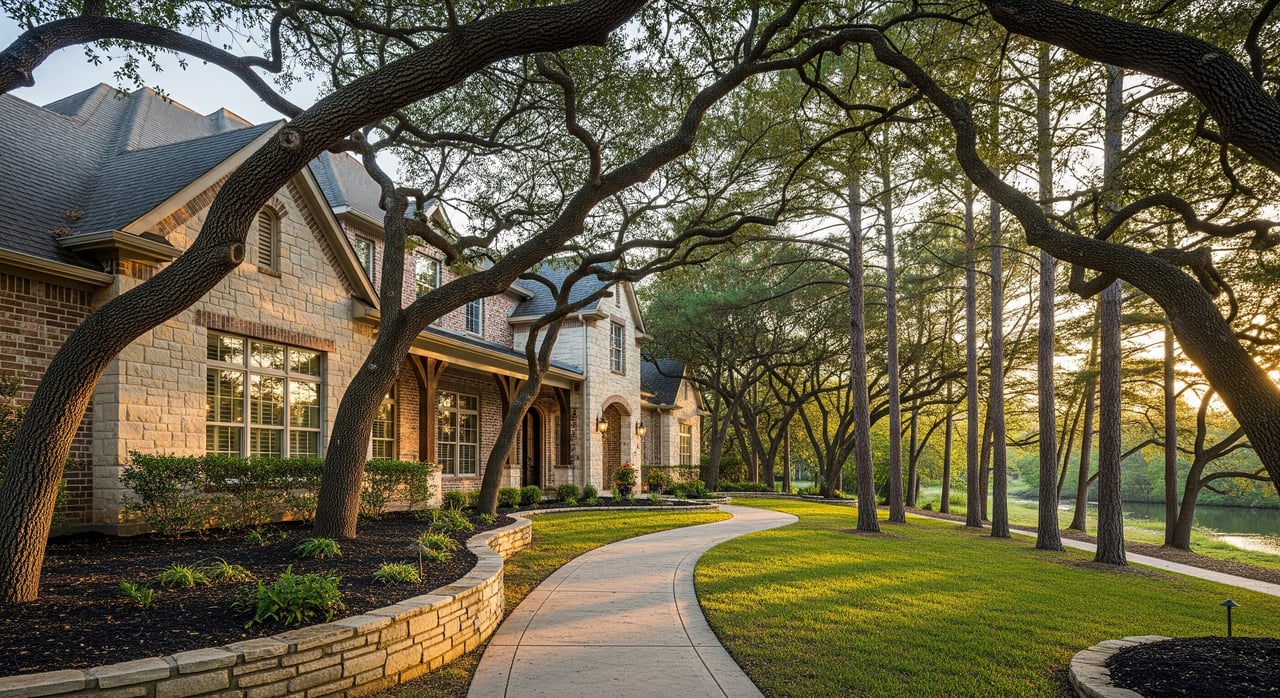
The Woodlands is known for its trail network, parks, and lakes. Earlier-developed areas tend to have a more mature tree canopy, while newer sections feature recently planned landscaping and park layouts. Decide whether you prefer established trees or newer community designs.
You’ll find community pools, sport courts and fields, playgrounds, dog parks, and nearby golf. The Cynthia Woods Mitchell Pavilion provides a regional concert venue, making evenings and weekends easy to fill.
Daily drive times and traffic patterns can shape your decision.
Major routes include I‑45, Research Forest Drive, Woodlands Parkway, and several Farm‑to‑Market roads. Where a village sits relative to these corridors will influence your door-to-door time.
There are multiple employment clusters inside The Woodlands, especially near Hughes Landing, The Woodlands Waterway, and along I‑45. Choosing a village near your workplace can reduce time in the car.
Public transit is more limited than central Houston. Park-and-ride and local options are managed through The Woodlands Township transportation programs. Most residents rely on personal vehicles.
Drive your route during the times you’ll actually travel. Peak AM/PM periods can change travel time significantly. For regional project updates and planning context, review the TxDOT Houston District.
School zoning is address-specific and can cross village lines.
Most of The Woodlands is served by Conroe ISD, with pockets that map to other districts such as Tomball ISD. Always check the assigned schools for the exact address using the Conroe ISD school locator or, if applicable, Tomball ISD attendance zones. Boundaries can change, so verify before you write an offer.
Some villages include elementary campuses within the neighborhood. Middle and high schools typically serve multiple villages. If school-day logistics are important, weigh walking distance or short drives to your assigned elementary and intermediate schools.
Private schools and after-school programs are available in the area. Proximity to medical services can also be a deciding factor. The area includes major providers such as Memorial Hermann The Woodlands and Houston Methodist The Woodlands Hospital.
You’ll see a wide range of home ages, styles, and settings across the villages.
Single-family homes are most common, with townhomes and condos more typical closer to major commercial hubs. Grogan’s Mill and other original areas include older, established homes that may offer larger lots and mature trees. Newer sections tend to feature modern layouts and community amenities.
Price ranges vary by proximity to amenities, assigned schools, lot size, and access to employment centers. For current pricing and days-on-market patterns, review MLS data with a local agent who can pull the latest village-level reports.
The Woodlands Township assesses community dues, and neighborhood HOAs may add their own fees and architectural guidelines. These costs affect your monthly budget and maintenance expectations. Ask for current assessment amounts and any recent or upcoming changes.
Environmental due diligence is essential in this region.
Flood risk varies by village and even by street. Review the property’s flood status using the FEMA Flood Map Service Center, then follow up with seller disclosures and any elevation certificates. Ask about past claims and recent drainage or mitigation work.
Mature trees add shade and character, but proximity to the home and lines matters. Check grading, downspouts, and any signs of pooling water. Confirm age and service history for the roof, HVAC, electrical panel, and plumbing.
Knowing your providers and taxes helps prevent surprises.
Electricity is in a deregulated market, so you can choose a retail provider. Water and sewer can be provided by municipal utility districts or local agencies such as the Woodlands Water Agency. Confirm water, sewer, trash, recycling, and internet providers for each address.
Taxing entities vary by location. Use the Montgomery County Appraisal District to review parcel-level tax history and rates. Insurance costs can vary with flood zone and home features. If the home is in a mapped floodplain, lenders may require flood insurance.
Use these prompts to narrow your list before tours:
Choosing the right village in The Woodlands starts with clear priorities, verified address-level data, and smart touring. When you’re ready for on-the-ground guidance, personalized MLS insights, and steady representation from search to closing, our boutique team is here to help. Reach out to Rising R Dream Properties for a friendly strategy call and get moving with confidence.
Stay up to date on the latest real estate trends.
Get assistance in determining current property value, crafting a competitive offer, writing and negotiating a contract, and much more. Contact me today.
DIANE RUIZ
13858 STATE HIGHWAY 30 COLLEGE STATION TX 77845